How to Find Trusted Periodontal Treatment in Ventura
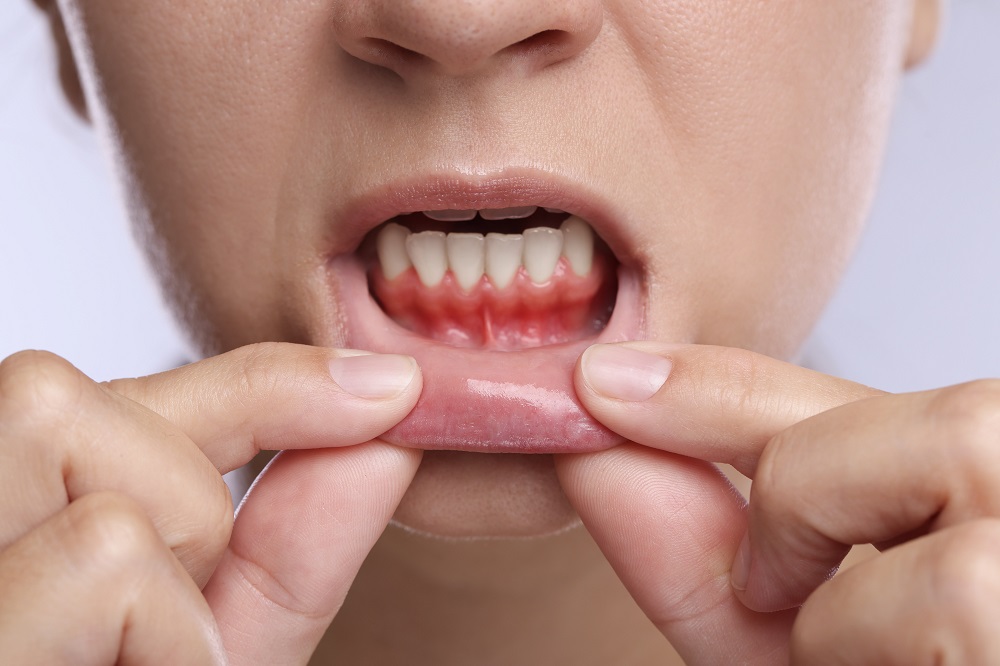
Gum health rarely gets the attention it deserves until something starts to feel wrong. A little bleeding during brushing, tenderness near one tooth, persistent bad breath, gums that seem to be pulling back, these are easy to dismiss for months or even years. Then one day a patient is told they have periodontal disease, and the conversation shifts from routine cleanings to deeper treatment, long-term maintenance, and the possibility of bone loss or tooth loss if the condition keeps advancing.
That is usually the moment people start searching for trustworthy care. In a place like Ventura, where patients can choose from general dentists, periodontists, group practices, specialty offices, and corporate clinics, the search can feel harder than expected. Credentials matter, but they are not the whole story. So do communication, diagnostic habits, treatment philosophy, transparency about cost, and whether the office approaches gum disease as a one-time procedure or a chronic health issue that needs ongoing management.
Finding trusted periodontal treatment in Ventura is less about finding the flashiest website and more about knowing what good care actually looks like.
What periodontal treatment really includes
People often use the phrase "gum treatment" to mean a deep cleaning, but periodontal care covers a much wider range of services. Periodontal disease affects the gums, the ligament around the teeth, and the supporting bone. Treatment depends on how advanced the disease is, whether there is active infection, and whether structural damage has already occurred.
Early cases may respond well to nonsurgical care such as scaling and root planing, improved home care, and close follow-up. More advanced cases can involve localized antibiotic therapy, gum grafting, pocket reduction procedures, crown lengthening, dental implants after tooth loss, or maintenance visits every three or four months instead of the standard six. A trusted provider should explain where your case falls on that spectrum, rather than using vague language that leaves you guessing.
One of the most revealing signs of a reliable office is how specifically they talk about diagnosis. Instead of saying, "Your gums are inflamed," they should be measuring pocket depths, noting bleeding points, discussing recession, reviewing bone levels on radiographs, and explaining whether the condition is localized or generalized. Patients do not need a lecture in dental pathology, but they do deserve a clear picture of what is happening and why a particular treatment is being recommended.
The difference between a general dentist and a periodontist
This question comes up often, especially for patients trying to compare options for Periodontal Treatment Ventura offices offer. A general dentist can diagnose and treat many gum problems, particularly mild to moderate disease. Some general dentists are highly skilled in periodontal therapy and manage these cases routinely. Others prefer to refer more complex disease to a specialist.
A periodontist is a dentist who completes additional years of training focused on gum disease, supporting bone, oral inflammation, gum surgery, and implants. If a patient has deep pockets, significant bone loss, gum recession, loose teeth, a complicated medical history, or has not responded well to prior treatment, specialist care is often worth pursuing.
That does not mean a specialist is automatically the best fit for every patient. Trust comes from matching the provider’s skill set to the actual problem. A thoughtful general dentist who recognizes the limits of routine care and refers when appropriate can be just as valuable as an excellent periodontist. In practice, the strongest outcomes often come from collaboration between the two.
What to look for during the first phone call
Patients often focus on what happens in the exam room, but the first phone call can tell you a Periodontal Treatment Ventura surprising amount. A competent front desk team will not diagnose you over the phone, but they should be able to answer practical questions without sounding rushed or evasive. If someone asks whether the office treats gum disease, whether they perform periodontal charting, whether they offer nonsurgical and surgical options, or whether they work with anxious patients, the answers should be clear and confident.
Pay attention to whether the conversation feels transactional or informative. Trusted offices usually understand that patients seeking periodontal care may be worried, embarrassed, or confused. They tend to explain next steps calmly. They also tend to be straightforward about scheduling, insurance, consultation fees, and whether prior records or X-rays would be helpful.
If the staff cannot explain the basic process for an evaluation, or if every question is answered with a vague promise that "the doctor will discuss that later," it may signal an office culture that prioritizes throughput over patient understanding.
Signs that an evaluation is thorough, not rushed
A proper periodontal evaluation should feel deliberate. Gum disease is not something a clinician can assess accurately in two minutes while standing over a chair between hygiene checks. A trusted provider takes time to gather information, and that means more than a quick glance.
Here are a few signs an exam is being handled carefully:
- Your medical history is reviewed in detail, including diabetes, smoking or vaping, medications, pregnancy status, and immune conditions.
- The clinician measures gum pocket depths around each tooth rather than estimating.
- X-rays are used to assess bone levels when appropriate.
- The provider explains findings in plain language and connects them to symptoms or risks.
- You leave knowing the diagnosis, the proposed treatment, and what happens if you delay care.
That level of detail matters because periodontal disease is influenced by far more than brushing habits alone. Poorly controlled diabetes can worsen inflammation. Smoking can mask bleeding while still accelerating tissue destruction. Certain medications can cause gum overgrowth or dry mouth. Grinding can complicate mobility and attachment loss. When a provider asks about these issues, it usually reflects real clinical judgment, not just a formality.
Ventura-specific considerations patients often overlook
Ventura patients are not all searching under the same circumstances. Some are lifelong residents with an established general dentist. Some are commuting from Oxnard, Camarillo, or Santa Barbara County for specialty care. Others have recently moved, changed insurance, or delayed treatment for years because life got busy. These practical details affect what "trusted" means in real terms.
For one person, trust may mean finding a periodontist who can coordinate with an existing family dentist. For another, it may mean evening appointments and a manageable payment structure. For an older patient, it may mean a clinician comfortable balancing periodontal treatment with heart medications, dry mouth, or multiple restorations. For a younger patient who has been told they need a gum graft, it may come down to whether the office explains cosmetic expectations honestly instead of overselling the procedure.
Ventura also has the advantage of access to both private specialty practices and broader multi-provider dental groups. That gives patients options, but it also means they need to compare carefully. Convenience is important, though not at the expense of competence. Driving an extra 20 minutes for a provider with a strong periodontal focus is often worthwhile when the treatment plan is complex.
Red flags that deserve a second opinion
Most periodontal treatment is straightforward and appropriate. Still, some situations warrant caution. Patients sometimes accept a recommendation because the terminology sounds technical, not because it has been adequately explained. That is a mistake worth avoiding.
Be cautious if a provider recommends extensive surgical treatment before completing a proper periodontal charting and radiographic review. Be equally cautious if an office minimizes obvious symptoms, such as mobility, gum recession, or chronic bleeding, without offering measurable findings. Another red flag is pressure. If you are told to commit to costly treatment immediately, with little explanation and no room for questions, step back.
A second opinion can be especially helpful in a few common scenarios. One is when the diagnosis and treatment recommendation feel out of proportion to your symptoms. Another is when one office says you need aggressive surgery and another says routine cleanings are enough. A third is when dental implants are being discussed before active gum infection is under control. Experienced clinicians know that stable periodontal health is the foundation, not the afterthought.
How trusted providers talk about cost
Money matters, and patients know it. Periodontal care can range from modest to significant in cost depending on severity, imaging, sedation, surgery, grafting, and maintenance frequency. A trustworthy office does not dodge that conversation.
Clear cost discussions usually include what the recommended treatment involves, whether there are alternatives, what insurance may or may not cover, and what future maintenance will likely cost. This last piece is where many patients get caught off guard. They hear the fee for scaling and root planing or surgery, but not the reality that periodontal maintenance may be needed every three or four months indefinitely.
That is not a scare tactic. It is simply how chronic gum disease is managed once a patient has demonstrated susceptibility. If an office presents treatment as a one-and-done fix without discussing maintenance, the picture is incomplete.
Patients should also know that the cheapest option is not always the most economical. Inadequate treatment can lead to repeated infection, further bone loss, retreatment, or eventual tooth replacement. A slightly higher fee for careful diagnosis, precise therapy, and proper follow-up may save both money and teeth over time.
The role of technology, and where it is often overstated
Dental technology can improve periodontal diagnosis and treatment. Digital radiographs, intraoral cameras, cone beam imaging in select cases, laser devices, and advanced charting software all have legitimate uses. But technology alone does not make a provider trustworthy.
A seasoned periodontist or dentist uses tools in service of sound judgment. For example, an intraoral camera can help patients see recession, plaque buildup, or inflamed tissue they otherwise would not understand. Digital imaging can improve efficiency and clarity. Certain laser-assisted procedures may be useful in selected cases. Yet none of these replace a careful exam, a complete health history, or a provider who knows when conservative therapy is enough and when surgery is truly https://www.google.com/maps?cid=6886544599407677320 necessary.
Patients should be wary of marketing that makes one device sound like a miracle solution. Gum disease is biologic and behavioral as much as procedural. Bacteria, inflammation, home care, smoking, systemic health, bite forces, and follow-up all shape outcomes. Technology can assist, but it cannot rescue poor planning.
Questions worth asking before you commit
A good consultation leaves room for questions. Patients do not need to interrogate the doctor, but a few practical questions can reveal a lot about the office’s approach.
- What stage or severity is my gum disease, and how are you measuring it?
- Is this something you expect to treat nonsurgically, surgically, or in phases?
- What results should I realistically expect after treatment?
- How often will I need maintenance afterward?
- If I were your family member, would you recommend this same plan?
That last question often cuts through rehearsed language. Experienced clinicians may still offer multiple options, but they tend to answer honestly. Sometimes the best plan is aggressive because the disease is advanced. Sometimes it is conservative because the condition is mild and reversible. Trust grows when recommendations feel clinically grounded rather than financially motivated.
Why bedside manner matters more in periodontal care than many patients expect
People often think of technical skill and bedside manner as separate qualities, as though one is optional. In periodontal treatment, they are closely connected. Much of the work involves patient cooperation over time. Home care improves outcomes. Smoking cessation improves outcomes. Showing up for maintenance improves outcomes. None of that happens reliably if a patient feels confused, shamed, or brushed aside.
The best periodontal clinicians I have seen are often direct but not dramatic. They do not soften everything to the point of uselessness, and they do not turn every bleeding site into a catastrophe. They explain what is reversible, what is not, and what can still be preserved. That balance matters. Gum disease conversations can trigger a surprising amount of guilt because patients assume every problem reflects poor hygiene. Often it is more complicated than that, involving genetics, anatomy, restorations, systemic health, or years of inconsistent access to care.
A provider who understands that tends to educate rather than lecture. That usually leads to better follow-through.
When urgency is real, and when you have time to think
Not every periodontal recommendation requires same-day action. Many cases allow enough time to review records, check insurance, discuss options with a family member, or seek a second opinion. Even moderate disease often progresses over months and years, not overnight.
Still, some situations should move quickly. An active periodontal abscess, significant pain, sudden swelling, rapidly increasing tooth mobility, or severe inflammation in a medically vulnerable patient deserves prompt care. Likewise, if bone loss is already advanced and multiple teeth are becoming unstable, delaying treatment for another six to twelve months can make a meaningful difference in prognosis.
Trusted clinicians usually know how to communicate urgency without theatrics. They can tell you, in practical terms, what needs attention now and what can reasonably wait. Patients benefit from that clarity. It prevents both dangerous delay and unnecessary panic.
The connection between periodontal care and overall health
Patients sometimes hear broad claims linking gum disease to everything from heart disease to cognitive decline. The reality is more measured. There is strong interest in the relationship between periodontal inflammation and systemic health, but trusted providers should avoid sensational promises or fear-based messaging.
What can be said with confidence is that oral inflammation does not exist in isolation. People with diabetes often see a two-way relationship, where poor glycemic control worsens gum disease and active periodontal infection makes blood sugar management harder. Pregnancy can influence gum inflammation. Immune status matters. Dry mouth matters. Medication burden matters. Inflammatory load matters.
That is one reason trusted Periodontal Treatment Ventura practices tend to take comprehensive histories seriously. They are not just filling out forms. They are trying to understand the conditions that may affect healing, recurrence, and long-term stability.
Reviews help, but they need to be read carefully
Online reviews can be useful, but they are not a perfect filter. A glowing review may reflect friendliness and punctuality more than clinical excellence. A harsh review may come from a billing dispute rather than poor treatment. The key is to read patterns, not isolated comments.
Look for repeated mentions of clear explanations, thorough exams, respectful communication, successful long-term care, and responsiveness when problems arise. Those are better indicators than generic praise. If several reviewers mention that the office took time to explain pocket depths, options, healing expectations, and maintenance plans, that is meaningful. If the reviews focus only on décor and how quickly someone got in for an appointment, they tell you less.
It also helps to distinguish between procedure reviews and relationship reviews. Someone may leave a five-star rating because a cleaning was painless, but periodontal care is often about how the office performs over six months, two years, or longer. Durable trust shows up in follow-through.
What successful treatment usually looks like over time
Many patients imagine successful periodontal care as a dramatic before-and-after event. More often, the success is quieter. Bleeding decreases. Breath improves. Tissues look firmer and less swollen. Pockets shrink or become more manageable. Bone loss stops progressing. Teeth feel more stable. Maintenance visits become routine instead of stressful.
Sometimes success also means accepting that a damaged area can be managed, even if it cannot be restored to perfect original anatomy. Recession may remain visible. A furcation defect may require ongoing monitoring. A compromised tooth may stay functional for years with careful support, even if its long-term prognosis is guarded. Trusted clinicians are comfortable with that nuance. They do not pretend every case ends in perfection, and they do not define anything short of perfection as failure.
That realism is one of the strongest markers of good care.
Choosing with confidence in Ventura
If you are looking for periodontal treatment in Ventura, start by narrowing the field to offices that clearly diagnose, communicate plainly, and treat gum disease as a condition that requires both skill and follow-up. Look for a provider who respects your questions, explains the severity of the problem with measurable findings, discusses alternatives honestly, and lays out what maintenance will involve after the initial phase of care.
Do not be afraid to compare a general dentist’s recommendation with a periodontist’s evaluation, especially if the case seems advanced or expensive. Do not confuse polished marketing with clinical depth. And do not underestimate the value of an office where both the doctor and staff make a complicated process feel understandable.
Trusted periodontal care is rarely about finding a perfect practice. It is about finding a capable one that is transparent, methodical, and invested in preserving your oral health for the long haul. In Ventura, those options exist. The key is knowing how to recognize them before you commit.
Avra Dental
Address: 1708 S Victoria Ave B, Ventura, CA 93003
Phone number: (805) 941-1001
FAQ About Periodontal Treatment Ventura
Can a dentist get rid of periodontal disease?
A dentist or gum specialist (periodontist) cannot fully cure or reverse advanced periodontal disease (periodontitis), but they can successfully stop its progression and manage the infection.
Is periodontitis very serious?
Yes, periodontitis is a very serious, advanced form of gum disease that destroys the bone and tissues supporting your teeth.
How is stage 2 periodontal disease treated?
Stage 2 periodontal disease (early to moderate periodontitis) is primarily treated with non-surgical deep cleaning procedures like scaling and root planing to remove bacteria and tartar below the gumline.